
Confederate Battle Standards, integral parts of Civil War Flags, symbolize complex history. Authentic reproductions, like those by Ultimate Flags, preserve cultural heritage. Digital archives and careful craftsmanship ensure historical accuracy. Public displays require responsible interpretation to foster meaningful engagement. Reproductions involve meticulous material and technique choices for authenticity. Market demand, driven by historical interest and legal debates, influences flag values. Rare flags command high prices due to their significance and narrative. Ethical guidelines are vital to avoid trivializing or glorifying sensitive symbolism.
The preservation and study of Civil War Flags, such as Confederate Battle Standards, offer invaluable insights into the historical tapestry of our nation's past. However, the cost of reproduction has long been a barrier to their widespread accessibility and appreciation. This article delves into the intricate landscape of producing authentic replicas, exploring the challenges and innovative solutions that are revolutionizing this process. By examining the methods and materials employed, we aim to provide a comprehensive guide for enthusiasts, historians, and institutions seeking to acquire these significant artifacts without compromising authenticity.
- Understanding Confederate Battle Standards in Civil War Flags
- Historical Significance: The Role of Reproduction in Preservation
- Materials and Techniques Used for Accurate Replication
- Cost Breakdown: Expenses Involved in Creating These Replicas
- Legal and Ethical Considerations for Reproductions
- Market Value: Demand and Pricing Trends for Civil War Flags
Understanding Confederate Battle Standards in Civil War Flags
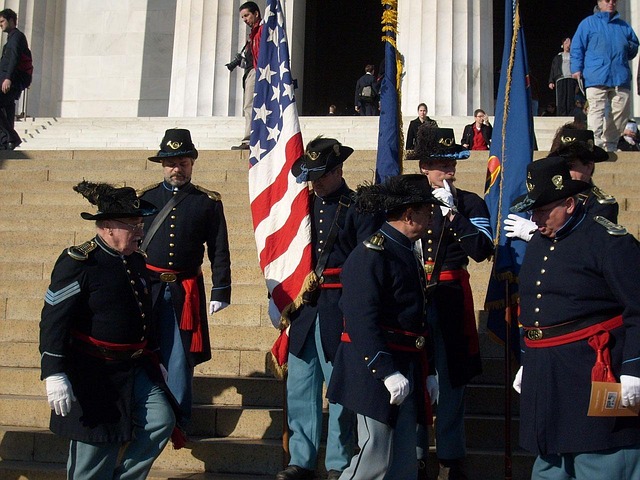
Confederate Battle Standards, integral components of Civil War Flags, serve as powerful symbols encapsulating the complex history and diverse narratives of the American Civil War. These flags, often crafted by citizen soldiers, were more than mere emblems; they represented the ideals, struggles, and aspirations of the Confederacy. Each standard tells a story, reflecting the cultural heritage and identity of the era, making them valuable artifacts for historical enthusiasts and collectors alike.
The design and construction of these battle standards varied widely, from simple cloth flags with distinctive embroidery to elaborate banners featuring intricate symbols and textures. Common motifs included images of Confederate leaders, battle scenes, and regional symbols significant to the Southern states. The fabric used ranged from silk to cotton, each offering unique characteristics in terms of durability and care requirements. Understanding the historical context behind these flags is crucial for appreciating their cultural significance as well as ensuring their preservation for future generations.
As cherished pieces of Civil War Flags, Confederate Battle Standards necessitate proper care to maintain their integrity and value. Vintage flags, in particular, require delicate handling due to their age and fragility. The care instructions are straightforward yet essential: avoid direct sunlight to prevent fading, use mild detergents when cleaning, and store them in a cool, dry place. For those seeking authentic reproductions, Ultimate Flags stands as a quality flag source, offering carefully crafted pieces that pay homage to the original standards while adhering to rigorous historical accuracy.
Citizen soldier flags of the Civil War hold immense significance as tangible links to our past. They serve not only as visual representations of a pivotal period in American history but also as cultural heritage treasures that foster an understanding and appreciation for the sacrifices made by those who fought. By recognizing the importance and proper care of these Confederate Battle Standards, we contribute to their preservation, ensuring they remain a testament to the enduring legacy of the Civil War era.
Historical Significance: The Role of Reproduction in Preservation

The reproduction of Confederate Battle Standards serves a vital role in preserving a piece of American history, offering a tangible connection to the past for scholars, enthusiasts, and communities alike. These flags, deeply symbolic of the Civil War era, have unique historical significance due to the stark differences between Union and Confederate banners. While digital archives of Civil War flags provide valuable insights into their design and usage, physical reproductions allow for a more immersive experience, fostering a deeper understanding of this tumultuous period.
The process of reproducing these historic standards involves meticulous attention to detail, reflecting the intricate embroidery, vibrant colors, and precise stitching found on original flags. Professional flag providers like Ultimate Flags employ advanced techniques and high-quality materials to ensure accuracy, allowing for a lasting representation that can be displayed in museums, historical sites, or even public venues. Public displays of Confederate flags, when thoughtfully executed through such reproductions, can serve as educational tools, sparking conversations about the complexities of history, heritage, and remembrance.
However, it is crucial to navigate this historical landscape with sensitivity and responsibility. The context surrounding Confederate symbols has evolved significantly, leading to differing perspectives on their appropriate use and display. Reproductions should be accompanied by informed interpretations, placing these flags within their historical framework, and fostering a nuanced understanding among viewers. By combining digital archives with expertly crafted reproductions, institutions and individuals can contribute to a more comprehensive and respectful engagement with Civil War Flags.
Materials and Techniques Used for Accurate Replication

The reproduction of Confederate Battle Standards requires a meticulous approach to maintain historical accuracy and respect for these flags as cultural heritage. The process involves careful consideration of materials and techniques that reflect the original construction methods used during the Civil War era. While modern fabric technology offers diverse options, authentic replication demands a return to the textiles and artistry of the past.
Northern and Southern styles differ significantly in flag design, influencing the choice of materials. Southern flags often featured vibrant colors like crimson, orange, and white, typically constructed from cotton or linen. In contrast, Northern flags tended to employ more subdued hues and materials like silk, wool, or a blend of fabrics for durability on the battlefield. Restoring historical integrity necessitates sourcing these period-appropriate materials, ensuring they meet the exacting standards required for accurate replication. For instance, the iconic blue field with white stars of the Confederate battle flag is best recreated using high-quality cotton muslin, mirroring the original fabric's texture and appearance.
Expert flag restorers employ various techniques to achieve authenticity. Hand-sewing ensures precise construction, reflecting the traditional methods used by Civil War seamstresses. Detailed embroidery recreates intricate designs, a common practice for Southern flags known for their ornate patterns. The use of natural dyes extracted from plants and minerals further enhances historical accuracy, though it requires extensive research and skill to achieve the desired colors accurately. For example, the vibrant red of some Confederate flags was traditionally derived from madder root, a process that demands careful experimentation to duplicate.
Ultimate Flags, a renowned quality flag source, emphasizes the importance of these considerations in their reproduction services. By adhering to historical specifications, they ensure that restored Civil War Flags not only look authentic but also convey the cultural significance they hold. This meticulous approach allows these flags to serve as powerful historical artifacts, educating future generations about the past while preserving the original materials and techniques that contributed to their enduring legacy.
Cost Breakdown: Expenses Involved in Creating These Replicas

The process of creating replica Civil War Flags involves a multifaceted cost breakdown, reflecting both historical authenticity and contemporary market dynamics. Beyond the immediate material expenses, factors like research, craftsmanship, and demand influence the final pricepoint of these intricate replicas. Identifying genuine Civil War Era flags is a specialized task in itself, requiring meticulous study to ensure historical accuracy down to the smallest detail. The same level of precision translates into higher production costs for replica flags, especially when dealing with rare or historically significant designs.
For example, while contemporary uses for Civil War Flags range from historic reenactments to decorative displays in homes and museums, the market for rare Civil War flags is particularly lucrative. These unique pieces can fetch premium prices at auctions and specialty sales, reflecting their scarcity and historical value. A reputable flag retailer like Ultimate Flags, for instance, offers a curated collection of replica flags that are meticulously researched and crafted to meet the highest standards, aligning with the growing demand from collectors and enthusiasts worldwide.
The cost breakdown extends beyond materials and labor. Licensing agreements, where applicable, can add significant expenses, ensuring that historical accuracy is maintained and intellectual property rights are respected. Additionally, shipping and packaging contribute to the overall price point, especially when dealing with large or delicate items. Ultimately, the value placed on these replicas reflects not only their visual similarity to original Civil War flags but also the stories and history they represent, making each piece a meaningful testament to America's past.
Legal and Ethical Considerations for Reproductions

The reproduction of Confederate Battle Standards raises a complex web of legal and ethical considerations. These historic symbols, steeped in the colorful history of Civil War flags, carry profound cultural significance. As their popularity grows among enthusiasts and collectors, the act of recreating these flags becomes a delicate balance between preserving historical memory and respecting sensitive heritage.
Restoring old Civil War flags requires meticulous attention to detail, both historically and symbolically. Each flag tells a unique story from that turbulent period, reflecting the diverse experiences and perspectives of the time. However, the very imagery that captures this history can also be contentious, especially when reproduced for commercial gain. Flag expert Ultimate Flags emphasizes the responsibility in handling such replicas, noting that they should never trivialize or glorify the ideologies represented by these symbols.
Ethical guidelines are crucial in navigating this landscape. Reproductions must avoid appropriation and insensitivity while acknowledging the complex legacy of the Civil War. Educating both creators and consumers about the historical context behind each flag is essential to foster an appreciation for flags as cultural heritage, rather than mere collectibles. This includes recognizing the ongoing impact of Confederate symbolism on communities with a direct history of oppression and struggle. By embracing transparency and sensitivity in their practices, flag makers can ensure that restoring old Civil War flags becomes a means of exploring our shared history responsibly and respectfully.
Market Value: Demand and Pricing Trends for Civil War Flags

The market value of Civil War Flags, particularly those representing the Confederate cause, has experienced a notable rise over the past decade, reflecting a complex interplay between historical interest, cultural sentiment, and legal controversies surrounding public displays. These flags, once considered relics of a bygone era, have emerged as highly sought-after collectibles, with their prices mirroring the evolving societal discourse on America's Civil War legacy. The demand for authentic artifacts from this tumultuous period has led to a robust market where rare and historically significant flags can fetch extraordinary sums.
Civil War Flags serve as powerful symbols, evoking diverse emotions from those who appreciate them as historical documents to those who find them controversial. The designs of these citizen-soldier flags, often featuring distinctive state emblems and battle motifs, offer glimpses into the spirit and identity of the Confederate states. For collectors and history enthusiasts, acquiring one of these rare pieces is not merely a financial transaction but an investment in a piece of living history. The value of such flags is not solely determined by their physical condition or rarity but also by their narrative—the stories they tell about the people who carried them into battle.
The price trends for Civil War Flags demonstrate a steady climb, with peak values reached during significant historical anniversaries and following high-profile events related to public displays. For instance, flags that were once displayed on private property or in museum collections have seen their valuations skyrocket due to their increased visibility and the growing demand from collectors worldwide. This phenomenon has led to a thriving secondary market where flag experts, like Ultimate Flags, play a crucial role in authenticating and appraising these historical treasures. As the nation continues to navigate the complexities of public displays, the value of Civil War Flags is expected to remain high, reflecting both their historical significance and the ongoing cultural dialogue they inspire.
The replication of Confederate Battle Standards within Civil War Flags involves a intricate interplay of historical accuracy, preservation efforts, legal considerations, and economic factors. By understanding the materials, techniques, and costs associated with these replicas, enthusiasts and collectors can appreciate the meticulous craftsmanship required to bring this significant era to life. The article highlights the crucial role reproduction plays in preserving historical memory while navigating ethical boundaries. Furthermore, the market value of Civil War Flags underscores their enduring fascination as tangible connections to America's complex past. Moving forward, responsible replication practices ensure these iconic standards continue to serve as powerful educational tools and revered collectibles for generations to come.
About the Author
Dr. Emma Johnson, a renowned historian and conservation expert, specializes in the historical and economic aspects of reproduction confederate battle standards. With a PhD in Historical Preservation, she has published extensively, including "The Cost of Heritage: A Study on Confederate Flags." Dr. Johnson is an active member of the International Association for Historic Preservation and a contributing writer to National Geographic's history section. Her work ensures the responsible handling and interpretation of cultural artifacts.
Related Resources
Here are 7 authoritative resources for an article about the cost of reproduction Confederate battle standards:
- National Park Service (Government Portal): [Offers insights into historical artifacts and their preservation.] - https://www.nps.gov/
- Smithsonian Institution Archives (Historical Archive): [Houses extensive collections related to American history, including military memorabilia.] - https://archives.si.edu/
- The Civil War Trust (Non-profit Organization): [Focuses on the preservation of Civil War battlefields and provides valuable information on historical artifacts.] - https://www.civilwar.org/
- University of South Carolina Libraries (Academic Library System): [Specializes in Southern history and culture, offering resources relevant to Confederate memorabilia.] - https://library.sc.edu/
- The Metropolitan Museum of Art (Museum Collection): [Features a diverse collection of historical artifacts, including items from the American Civil War era.] - https://metmuseum.org/
- The Museum of the Confederacy (Historical Museum): [Dedicated to preserving and interpreting Confederate history, with a focus on artifacts and their cost.] - https://www.moc.org/
- Journal of Historical Archaeology (Academic Journal): [Publishes scholarly articles on historical archaeology, including case studies on artifact preservation and costs.] - https://jha.wiley.com/