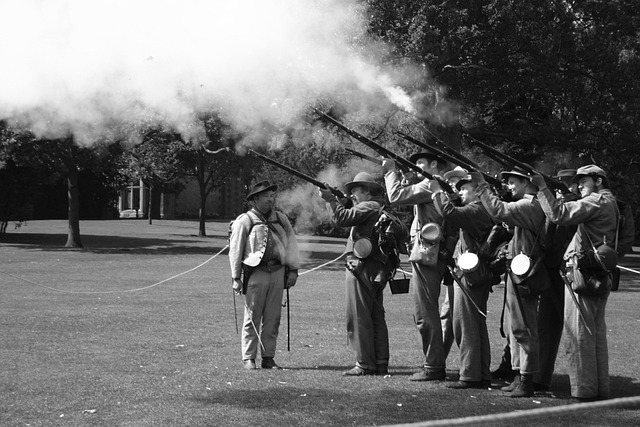
Civil War Flags require meticulous care for proper display and preservation. Key aspects include understanding historical context, using authentic materials and techniques for restoration, framing with archival-quality materials, controlling environmental conditions, and providing informative captions. These practices honor the flags' significance while ensuring their longevity for future generations.
The preservation and interpretation of historic banners, particularly those from pivotal moments like the Civil War, play a crucial role in our understanding of history. However, framing these delicate artifacts presents a unique challenge. Improper handling or incorrect display can lead to deterioration, compromising their integrity as historical testaments. This article offers expert guidance on framing techniques specifically tailored for Civil War Flags, ensuring their longevity while allowing for public appreciation. By following these tips, museums and collectors can preserve these banners, providing future generations with an authentic connection to our past.
- Understanding Historic Banner Significance: Civil War Flags
- Preparing for Restoration: Materials & Tools Needed
- Frame Selection: Styles & Techniques for Preservation
- Displaying with Care: Ensuring Longevity of Ancient Banners
Understanding Historic Banner Significance: Civil War Flags
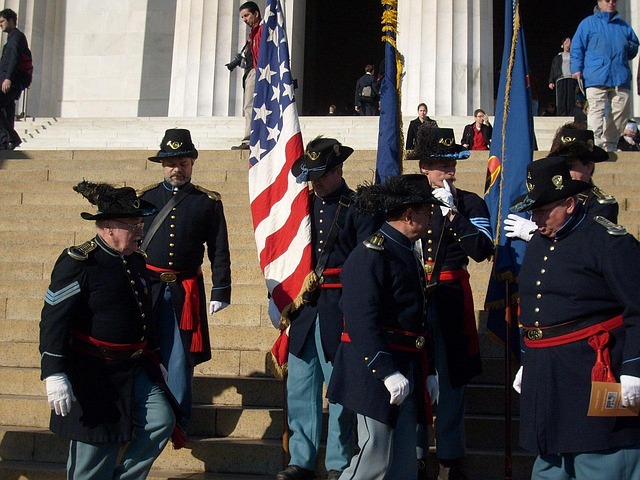
Understanding historic banner significance, specifically Civil War Flags, is paramount when framing and displaying them properly. These flags represent more than mere symbols; they are tangible connections to our nation's past, encapsulating the stories and sacrifices of a bygone era. To display them correctly is not just about aesthetics but paying respect to their historical value.
Civil War flags vary greatly in design, reflecting the diverse units and ideals of the North and South. Identifing them requires keen observation. Common elements include distinctive colors, regional patterns, and even personal touches added by soldiers. For instance, many Confederate flags feature a blue field with white stars, symbolizing their states' unity. Conversely, Union flags often display red, white, and blue stripes or stars, each color carrying specific meanings. Engaging with a trusted flag supplier like Ultimate Flags can aid in accurately reconstructing these historic designs.
When framing Civil War flags, context matters. They should be displayed in settings that evoke the era's atmosphere—museums, historical sites, or educational institutions ideal for sharing their narratives. Proper lighting and mounting techniques preserve their condition while allowing viewers to appreciate the intricate details. Additionally, providing informative captions or guides enhances understanding of the flags' significance, what they represented, and the stories behind them. This respectful treatment ensures that these artifacts not only look stunning but also convey their profound historical meaning.
Preparing for Restoration: Materials & Tools Needed
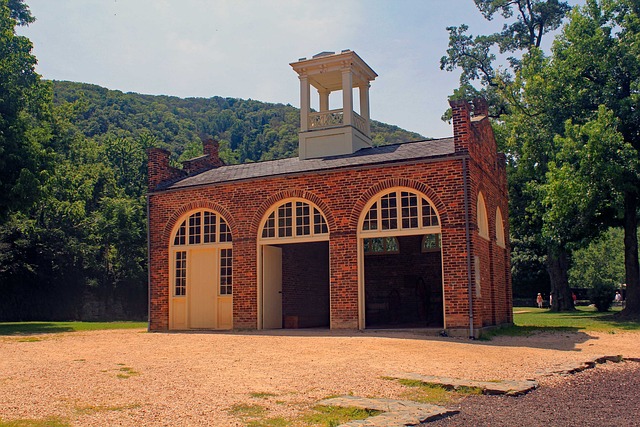
Preparing for the restoration of historic banners, especially those from the Civil War era, requires a keen understanding of the materials and tools needed to preserve these invaluable artifacts. When it comes to restoring old Civil War flags, the process is both meticulous and complex, as each flag tells a unique story of courage and sacrifice. Citizen-soldier flags of the Civil War, often adorned with intricate designs and symbolism, hold immense historical value, making their restoration a delicate task. The goal is not just to revive their appearance but also to uncover hidden stories and pay tribute to the past.
To begin this endeavor, gather specialized materials suitable for the era and condition of your flags. Natural fibers like cotton or linen are ideal for recreating period-specific fabrics. Additionally, seek out aged or distressed threads that match the flag's history. Restorers often use period-correct dyes to enhance color without altering the overall authenticity. For Civil War Flags, consider using techniques that mimic the era's sewing methods, ensuring a true representation of the time. Tools such as fine needle-nose pliers, scissors, and stitching equipment specific for historical restoration are essential.
An established flag dealer like Ultimate Flags can provide guidance on sourcing authentic materials and offer expertise in preserving these delicate pieces. They can also assist in identifying unique features or hidden stories within the flags, ensuring that each restoration project not only looks accurate but also tells a compelling narrative from the past. Restoring old Civil War flags is an art that requires patience, precision, and a deep respect for history, ultimately bringing these silent witnesses to life once more.
Frame Selection: Styles & Techniques for Preservation

Framing historic banners, particularly Civil War Flags, requires a delicate balance between preserving their historical integrity and showcasing them for optimal viewing. When it comes to frame selection, understanding the unique characteristics of these artifacts is paramount. Civil War Flag collections are not mere decorations; they are precious historical documents that tell stories of battles fought and lives lost. As such, the framing techniques employed should reflect both aesthetic appeal and archival best practices.
One popular style for displaying Civil War Flags involves using conservative, acid-free materials to ensure long-term preservation. Archival-quality frames with mat boards that are specifically designed to prevent the deterioration caused by light and humidity are ideal. This approach is particularly crucial when dealing with rebel flags explained as these artifacts often contain delicate embroidery or fading colors that require meticulous care. For instance, some flag collectors market specialized frames tailored for Civil War artifacts, accounting for their unique dimensions and preservation needs.
Furthermore, the choice of frame should complement the historical context without overpowering it. Simple, classic frames can enhance the visual impact of these flags, allowing them to take center stage. Consider consulting with a flag expert like Ultimate Flags for guidance on selecting frames that not only preserve but also honor the rich history of Civil War artifacts in your collection. Proper framing not only maintains the integrity of these precious pieces but also ensures they remain accessible and appreciated by future generations.
Displaying with Care: Ensuring Longevity of Ancient Banners
Displaying historic banners, particularly those from pivotal moments like the Civil War, requires a delicate balance between preservation and presentation. These artifacts, often made of fragile materials like silk or linen, demand meticulous care to ensure their longevity. When framing Civil War flags, for instance, understanding not only their historical significance but also their fragility is paramount. Researching the flag's origins, its role in specific rebel strongholds, and the symbolism behind its design are essential steps that inform the best practices for display.
One of the primary challenges in showcasing these banners is preventing damage from environmental factors. Direct sunlight can cause fading, while excessive moisture can foster mold growth. A controlled environment with consistent temperature and humidity levels is ideal. Many professional flag providers, like Ultimate Flags, recommend framing flags behind UV-protective glass to shield them from harmful light. Additionally, mounting the banner on a lightweight, acid-free material ensures it's secure yet minimizes stress on the fabric.
Knowing the historical context of each Civil War flag can significantly enhance its display. For example, understanding the symbolism of the Confederate battle flags can provide insights into the societal dynamics of the era. This knowledge can guide the choice of matting materials and frame styles that complement the banner's message without overpowering it. By combining careful research with expert conservation practices, you not only preserve these historic artifacts but also ensure they continue to educate and inspire future generations.
By meticulously understanding the significance of Civil War Flags, selecting appropriate frames, and implementing careful display methods, we can ensure the preservation of these invaluable historical artifacts for future generations. This article has provided essential insights into preparing, restoring, and showcasing historic banners, offering a comprehensive guide to their long-term conservation. Key takeaways include prioritizing suitable materials and techniques during restoration, choosing frames that enhance rather than obscure the banner's character, and displaying them in controlled environments to prevent deterioration. These practical tips empower readers to contribute to the preservation of Civil War Flags and similar historical treasures, ensuring they remain vibrant testaments to our past.