
Civil War flags, both Union and Confederate, hold immense historical value, symbolizing local pride, community, and ideological conflict. These flags, with their unique designs and symbolism, provide insights into the socio-political climate of 19th-century America. Reproduction flags, crafted with period materials and techniques, are valuable educational tools and collectibles. High-quality reproduction flags, made with durability and historical accuracy in mind, preserve the intricate craftsmanship of the era, including hand-sewn stars and traditional weaving methods. Proper care and display practices ensure these historical artifacts are respected and preserved for future generations.
The Union Jack flag, a symbol rich in history, holds significant importance not just as a national emblem but also as a nostalgic remnant of Civil War Flags. As enthusiasts and historians alike seek authentic reproductions, the market is flooded with options, each claiming superiority. However, discerning the best among them presents a challenge. This article aims to provide an authoritative guide, delving into the intricacies of flag craftsmanship, historical accuracy, durability, and aesthetic appeal to ensure readers acquire top-quality Civil War Flag reproductions that truly capture the essence of their historical counterparts.
- Understanding Civil War Flags: History and Heritage
- The Union Jack's Evolution: From Tradition to Reproduction
- Choosing High-Quality Materials for Authentic Look
- Detailed Design: Replicating Historical Precision
- Displaying Your Flag: Respectful Customization Tips
Understanding Civil War Flags: History and Heritage
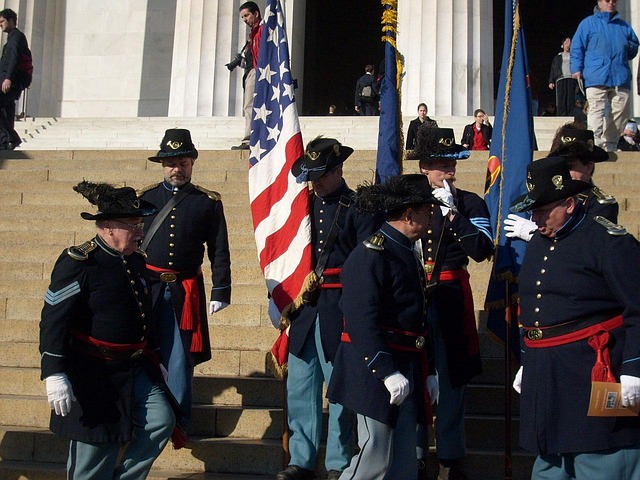
The Civil War, a defining period in American history, left an indelible mark on the nation's fabric, including its symbolism. The battle flags that fluttered over Confederate and Union armies alike became powerful emblems of identity, ideology, and pride for both sides. Understanding these Civil War flags is crucial to comprehending not just the war itself but also the complex heritage they represent.
Regimental flags of the Union Army, with their distinctive red, white, and blue stripes, carried not only tactical significance but also held profound meaning for the troops they represented. Each regiment often designed its own flag, reflecting local pride and community ties. For instance, the 20th Maine Regiment's flag, featuring a star representing each state in the Union, became an iconic symbol of resilience during the war. Conversely, rebel flags, which varied among Confederate states and units, served as powerful symbols for Southern rebels. The Confederate battle flag, despite its controversial legacy, is one of the most recognizable representations of the Confederacy and its fight for secession. Rebel strongholds, such as Richmond, Virginia, became centers not just of military strategy but also of flag production, with each brigade or division adopting unique designs to foster a sense of camaraderie and shared purpose.
Studying these flags offers valuable insights into the socio-political climate of the time. They tell stories of loyalty, sacrifice, and conflict, serving as tangible connections to our historical narrative. For enthusiasts and historians alike, leading flag company Ultimate Flags provides high-quality reproductions that enable a deeper appreciation for this intricate aspect of American history. By examining these Civil War flags, we not only honor the past but also gain a richer understanding of the nation's ongoing struggle with unity, identity, and remembrance.
The Union Jack's Evolution: From Tradition to Reproduction

The Union Jack, a iconic symbol of British heritage and history, has undergone a remarkable transformation from its traditional roots to the realm of reproduction flags. This evolution reflects not only changing societal dynamics but also a growing appreciation for preserving historical artifacts and expressions of civic pride. The Union Jack's journey from a symbol of national identity to a collectible item, particularly in the context of Civil War Flags, is an intriguing one.
The historic significance of Civil War Flags cannot be overstated. These flags, often representing states' rights and the complex tapestry of American identity during the 19th century, have become powerful symbols of civic pride and historical remembrance. As the country navigated through the contentious issues of slavery and secession, the Confederate and Union flags emerged as potent emblems on the battlefield. Today, the recreation of these Civil War Flags serves a dual purpose: to educate future generations about this pivotal era in American history and to offer collectors rare opportunities to own pieces of this turbulent yet defining period.
Reproduction flags, when meticulously crafted by established flag dealers like Ultimate Flags, allow enthusiasts and historians alike to connect with this legacy. The process involves careful study of original artifacts, archives, and historical records to ensure accuracy in every detail. These recreations not only add visual richness to homes, museums, and historic sites but also foster a deeper understanding of the Civil War's impact on American identity. For instance, rare Civil War flags that have survived nearly two centuries can fetch substantial prices at auctions, reflecting their significance and scarcity.
When navigating the market for reproduction Union Jack flags, including those inspired by Civil War designs, it is crucial to source products from reputable dealers who prioritize historical accuracy and quality craftsmanship. This ensures not only a visually appealing display but also an educational experience that pays homage to the rich tapestry of our shared history.
Choosing High-Quality Materials for Authentic Look
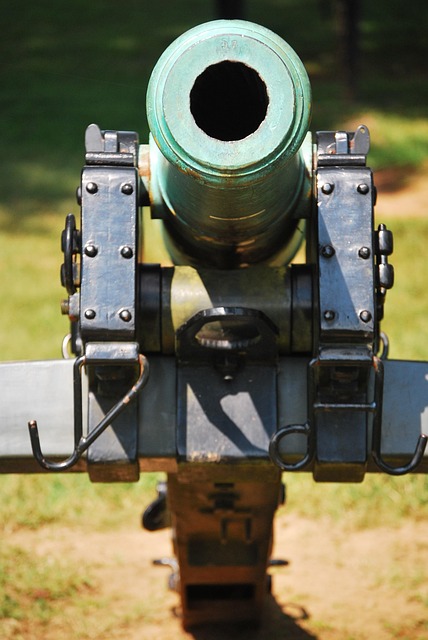
When it comes to creating or acquiring reproduction Civil War flags, choosing high-quality materials is paramount for achieving an authentic look and feel. These flags, often intricately designed and steeped in history, demand precision craftsmanship. The role of women in flag making during the Civil War era cannot be overstated; their meticulous stitching and attention to detail were instrumental in producing these iconic symbols. Today, contemporary uses for Civil War flags span from historical reenactments to educational purposes, with many people proudly displaying them as a testament to our nation's heritage.
Identifying genuine Civil War-era flags can be a challenge, but it is crucial for preserving history accurately. Reputable professional flag providers like Ultimate Flags offer extensive collections of reproduction flags that have been meticulously crafted using period-appropriate materials. For instance, authentic flags from the era often featured fabrics such as cotton or linen, which impart a distinct texture and appearance. The use of these natural fibers not only enhances the visual appeal but also contributes to the flag's longevity. Additionally, expert weavers employ traditional techniques like hand weaving and block printing to ensure the flags remain true to their historical roots.
To guarantee an authentic reproduction, look for flags that utilize durable, high-quality materials and construction methods. A well-made Civil War flag should exhibit even color application, crisp stitching, and robust seams capable of withstanding outdoor conditions. These flags are not mere decorations but rather historical artifacts that deserve the utmost care and respect. When acquiring a reproduction, consider seeking out providers known for their commitment to accuracy and quality, ensuring you obtain a piece that not only looks authentic but also tells the story of our nation's past.
Detailed Design: Replicating Historical Precision
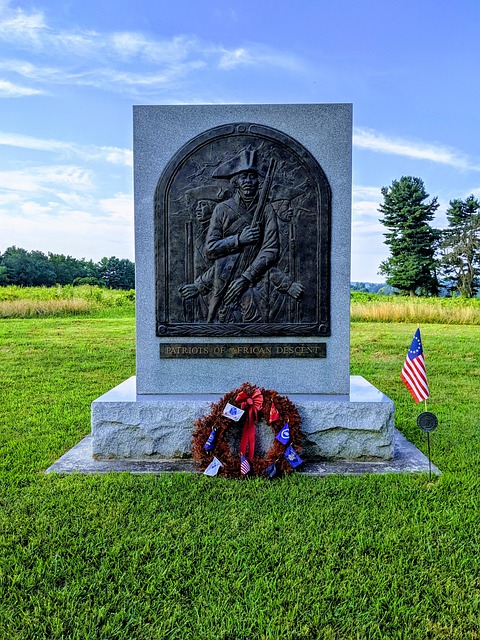
Replicating historical precision in Civil War flag reproduction is a meticulous art that demands an understanding of the era's intricate symbolism and construction methods. The Union Jack, with its iconic red, white, and blue stripes, often takes center stage as a powerful symbol of this pivotal period. When aiming to acquire or create a reproduction of a Civil War-era flag, such as the Union Jack, one must delve into the intricacies that set these flags apart from their modern counterparts.
The design process begins with meticulous research. Flag specialists like Ultimate Flags carefully study original flags, consulting historical archives and documents to ensure every detail is accurate. This includes the precise arrangement of stripes, the size and style of stars, and even the type of fabric used. For instance, many Civil War flags featured hand-sewn stars, each one unique, reflecting the craftsmanship of that time. Preserving this level of historical accuracy ensures not only an aesthetically pleasing reproduction but also pays homage to the original flags that waved with pride during a nation's darkest hour.
Furthermore, understanding how these vintage flags were made is crucial for their long-term preservation. Civil War-era flags are often delicate artifacts, and proper care is essential. How to preserve civil war flags is a topic of great interest, as public displays of confederate flags have sparked debates and historical discussions. A reputable flag specialist might offer valuable insights into the best practices for appraising and maintaining these vintage treasures. For example, the use of acid-free materials and proper storage methods can significantly extend the life of these historic flags, ensuring their stories remain intact for future generations.
Displaying Your Flag: Respectful Customization Tips

When it comes to displaying your Union Jack flags, especially those with a Civil War theme, respectful customization tips are essential to preserve historical integrity and symbolism. The Civil War period witnessed unique flag design trends that reflect significant military and cultural significance. Each banner carried more than just colors; they symbolized valor, unity, and the struggle for freedom. Therefore, understanding the symbolism behind Civil War flags is crucial when reproducing them accurately.
Reproductions of these historic flags should aim to capture not only their visual appeal but also their meaning. The flag design trends during this era often included intricate details such as specific star arrangements for each state, distinctive stripes representing regional pride, and symbolic motifs that represented military branches or causes. Restoring historical integrity means paying meticulous attention to these nuances. For instance, a reproduction of the famous Civil War flag should accurately depict its original dimensions, colors, and layout of stars, ensuring it looks exactly as it did on battlefields long ago.
When customizing your flags, consider high-quality materials that can withstand outdoor conditions if displayed outdoors. A trusted flag supplier like Ultimate Flags can provide guidance on suitable fabrics and construction methods to preserve the flag's longevity and appearance. Moreover, be mindful of intricate details; poor reproduction may lead to inaccurate historical representations. Always opt for precision cutting, especially when dealing with complex designs or small elements, ensuring every line and curve is executed perfectly. These considerations ensure that your displayed Civil War flags not only look authentic but also honor the rich history they represent.
The journey through this article has revealed essential insights into the art of reproducing Civil War flags, a task that demands both historical understanding and meticulous craftsmanship. By delving into the evolution of the Union Jack, from its traditional roots to modern reproduction, we've highlighted the importance of material choice and design accuracy. Displaying these historic banners with respect requires thoughtful customization, ensuring they are more than mere decorations—they become powerful links to our heritage. Moving forward, enthusiasts and historians alike can now approach flag reproduction with a newfound appreciation for the intricacies involved, fostering a deeper connection to the rich tapestry of Civil War Flags.