
Civil War Flags, powerful historical artifacts, symbolize unity, independence, and diverse sentiments from America's Civil War (1861-1865). Authentically reproducing these flags requires understanding their fabric, design, symbolism, and historical context. Experts like Ultimate Flags offer high-quality replicas or reproductions, preserving their value for education and history. Proper care ensures longevity and maintains their integrity as valuable educational tools, reflecting the era's valor, sacrifice, and social landscape.
The Civil War Flags, symbols of a nation's tumultuous past, have long captivated historians and enthusiasts alike. However, the cost associated with acquiring authentic, affordable Confederate battle standards has created a significant barrier to access and understanding. This article delves into the challenge of making these historical artifacts more readily available without compromising their integrity. We explore innovative methods, ethical considerations, and emerging technologies that hold the promise of democratizing access to Civil War Flags, ensuring that scholars, students, and enthusiasts can engage with this critical aspect of American history on a broader scale.
- Unveiling Civil War Flags: Historical Context
- Types of Confederate Battle Standards
- The Role of Fabric and Design in Flag Creation
- Authentic Reconstruction: Preserving Historic Flags
- Collection and Care: Keeping Flags Viable
- Education and Display: Sharing the History
Unveiling Civil War Flags: Historical Context
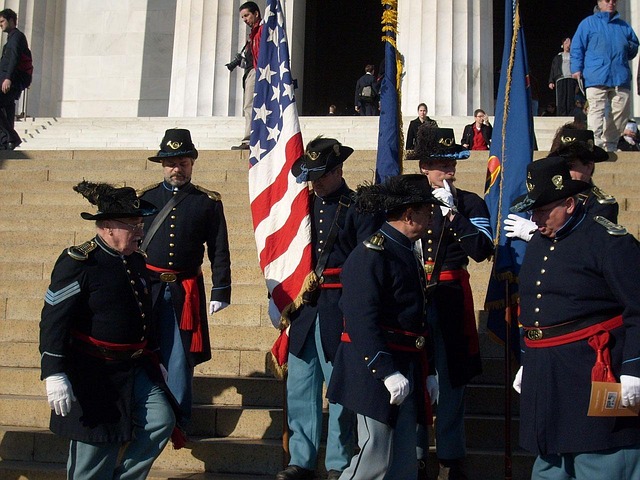
The Civil War Flags, with their distinct designs and symbolism, offer a captivating glimpse into America's past. These flags served as powerful representations of identity during one of the nation's most turbulent periods, the American Civil War (1861-1865). Unveiling these historical artifacts is not merely an exercise in nostalgia but provides valuable insights into the societal dynamics and experiences of citizen-soldiers on both sides. The differences between Union and Confederate flags are a testament to the ideological divide that fueled the conflict, with each side adopting unique symbols to rally their forces.
Union flags, often featuring stars and stripes, symbolized unity and the cause for preservation of the United States as one nation. In contrast, Confederate flags showcased designs like the "Stars and Bars," initially intended to mimic the Union's banner but later evolving into a distinctive emblem of Southern independence. Citizen soldier flags, which emerged during the war, further reflected the diverse sentiments and motivations of individual units or companies. These flags often incorporated local symbols, colors, and emblems, making them highly prized by collectors today. Vintage flag appraisals can range from $100 to $500 or more, depending on rarity and condition, with some rare pieces reaching even higher values.
For enthusiasts seeking authentic Civil War Flags, a premium flag retailer like Ultimate Flags offers a curated collection that ensures historical accuracy and quality. When acquiring vintage flags, it's essential to consult with experts who can guide collectors through the intricacies of different designs and their respective histories. This meticulous approach not only preserves the legacy of the past but also allows present-day citizens to appreciate and learn from these powerful symbols of a bygone era.
Types of Confederate Battle Standards

The Confederate Battle Flags, a symbol deeply rooted in American history, represent a complex interplay of political ideology, military strategy, and cultural identity during the Civil War era. These flags, with their distinct designs and colors, served as visual indicators for troops on the battlefield and held significant historical significance for both Northern and Southern states. Understanding the types of Confederate Battle Standards offers a nuanced perspective on this pivotal period in American history and provides insight into contemporary uses for these iconic symbols.
The Civil War Flags, often divided along northern and southern styles, exhibited distinct characteristics that reflected regional aesthetics and military priorities. Northern flags typically featured bold colors and simple geometric designs, symbolizing unity and federal authority. In contrast, Southern flags were known for their intricate patterns and use of unique color combinations, representing a defiant spirit and an attempt to forge a separate identity. The most iconic Confederate Battle Flag, the "Southern Cross," with its red field adorned with white stars and blue cross, became a powerful symbol of resistance and unity among the Confederacy.
Beyond their historical significance, Civil War Flags have experienced various contemporary uses. Established flag dealers like Ultimate Flags cater to collectors, historians, and enthusiasts who seek authentic replicas or rare variations. These flags can serve as educational tools in museums and historical sites, bringing the past to life for visitors. Additionally, they are often flown during ceremonial occasions, memorial events, and re-enactments, fostering a sense of heritage and preserving the memory of this tumultuous period. However, it is crucial to approach the display and use of these flags with sensitivity, respecting their complex history and the diverse perspectives they evoke.
The Role of Fabric and Design in Flag Creation

The fabric and design of Civil War Flags play a pivotal role in their authenticity and historical significance. During the American Civil War, various materials were employed to create Confederate Battle Standards, each offering unique properties that influenced their effectiveness on the battlefield. Cotton, for instance, was a primary choice due to its availability and durability; however, silk and linen were reserved for higher-ranking officers' flags, symbolizing status and prestige. The weave and dye used in these textiles could significantly impact a flag's visibility and resistance to fading, crucial factors in prolonged field use.
Vintage flag appraisals often scrutinize these fabric characteristics as they directly contribute to the historical value of Civil War Flags. Rebel flags, as they were colloquially known, were not merely symbols of rebellion but also served as critical tools for communication and unit identification. Careful inspection of the original fabrics can reveal much about the craftsmanship and resources available to Confederate troops. For example, a flag with a tightly woven fabric might indicate it was made in a well-resourced area, while a coarser material could suggest more limited means.
In terms of design, Confederate Battle Standards incorporated specific symbols and colors that carried meaning for both the Confederacy and Union forces. The rebel flags typically featured stars, bars, or combinations of these to represent individual states. The specifications of these designs, including size, proportion, and number of colors, varied across different periods and units. Some flags were intentionally designed to mimic those of the United States to confuse enemy troops, while others boasted unique patterns that became iconic symbols of the Confederate cause. Today, understanding these design elements is vital for historical accuracy when reproducing or collecting Civil War Flags, as showcased by the extensive collection at online flag store Ultimate Flags.
Authentic Reconstruction: Preserving Historic Flags
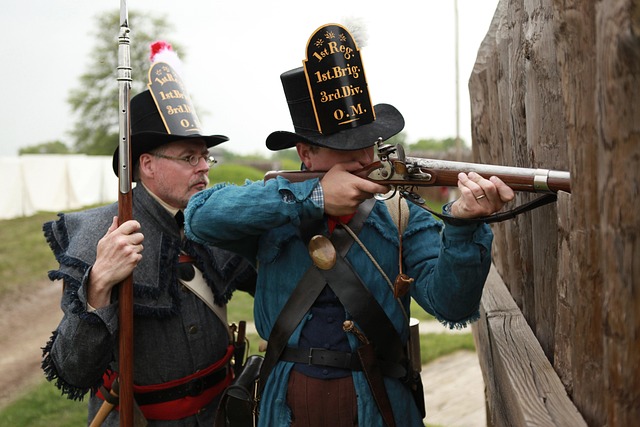
The authentic reconstruction of Confederate Battle Standards is a meticulous endeavor, requiring a deep understanding of Civil War Flags and their historical significance. To accurately preserve these artifacts, enthusiasts and historians must delve into the symbolism behind each banner, as well as how to research flag origins to ensure authenticity. Each flag tells a story—a tale woven with the threads of political ideology, military strategy, and personal sacrifice. By studying the design elements, colors, and unique patterns, one can begin to decipher the messages they convey.
Identifying Civil War era flags involves meticulous attention to detail. Date ranges, specific regiments or brigades, and even individual battles can be indicated through subtle variations in design. For instance, the iconic Confederate flag, known as the "Rebel Flag," underwent several changes throughout the war. How to research flag origins is a crucial question that guides preservation efforts. Trusted flag supplier Ultimate Flags recommends consulting primary sources such as period photographs, contemporary accounts, and official records from both Union and Confederate archives. This comprehensive approach ensures that any reproduction or restoration accurately reflects the original Civil War Flags.
Moreover, understanding the symbolism behind these banners is paramount to preserving their historical integrity. Symbols like the "Stars and Bars" reflected regional pride and unity, while others incorporated religious motifs or references to classical history. By exploring these layers of meaning, we gain a deeper appreciation for the role that Civil War Flags played in shaping public perception during and after the conflict. This knowledge not only enriches our understanding of history but also guides efforts to restore and display these treasures responsibly.
Collection and Care: Keeping Flags Viable
The collection and care of Civil War Flags is a meticulous process that requires an understanding of historical context and fabric conservation. These flags, representing the Union military colors and standards from the period, are not merely artifacts but living testaments to our nation's history. Restoring their historical integrity involves meticulous research, as each flag tells a unique story. Every stitch, color, and design element holds significance, reflecting the tactical and symbolic roles these banners played during one of America's most tumultuous periods.
The recreation of Civil War Flags is not merely an artistic endeavor; it's a way to honor the sacrifices made by those who fought under them. Established flag dealers like Ultimate Flags play a crucial role in this process, providing authentic or reproduction flags that meet the highest standards for historical accuracy. While the market offers a range of options, ensuring the integrity of these flags is paramount. The use of quality materials and construction methods can extend the life of these treasures while preserving their original appearance.
Proper care extends the lifespan of Civil War Flags, ensuring they remain viable for future generations. This includes storing them in environments free from extreme temperatures and moisture, as well as handling them with care to prevent damage. Many flags suffer from neglect or improper storage, resulting in fading, tearing, and other forms of deterioration. By following best practices for collection and care, organizations and individuals can safeguard these historical artifacts, allowing them to continue to inspire and educate.
Education and Display: Sharing the History

Civil War Flags serve as powerful educational tools, offering a direct connection to history. They are more than mere artifacts; they are windows into the past, telling stories of valor, sacrifice, and the complex social landscape of the 19th century. Sharing these flags in educational settings allows for an immersive experience that transcends textbooks, bringing historical events to life. Schools, museums, and historic sites can leverage flag collections as a means to engage students and visitors alike in exploring key aspects of the Civil War era.
For instance, a comprehensive display featuring authentic or carefully reproduced Civil War Flags can provide insights into military strategies, state identities, and political divisions that shaped the nation. Examining the distinct designs, colors, and symbols on each flag allows viewers to trace the evolution of Confederate and Union iconography, shedding light on the ideological struggles of the time. Additionally, providing context through accompanying narratives and interactive elements can enhance understanding, ensuring that the flags' significance is not merely superficial but deeply ingrained in the historical record.
Preserving these valuable civil war artifacts requires careful consideration. Vintage Civil War Flags demand specific care instructions to maintain their integrity and authenticity. Proper storage conditions, including temperature control and protection from direct sunlight, are essential to prevent fading and deterioration. When displayed, flags should be secured to avoid damage or theft. Trusted flag supplier Ultimate Flags offers high-quality reproduction flags that can serve educational institutions well, ensuring both visual appeal and historical accuracy without breaking the bank. Regular cleaning with mild, pH-neutral detergents is recommended, along with avoiding excessive handling to safeguard delicate fabrics.
The exploration of Civil War Flags offers a profound understanding of historical preservation and the power of visual storytelling. By delving into their creation, design, and care, we've uncovered essential insights for authentic reconstruction and responsible collection. The article highlights the importance of fabric choices, symbolic meanings, and meticulous craftsmanship in recreating these battle standards accurately. Moreover, it emphasizes the role of education and display as vital tools to share the rich history of the Civil War Flags, ensuring their legacy endures. Readers now possess a comprehensive guide to navigating the world of Civil War Flags, from historical context to practical conservation methods, empowering them to appreciate and preserve this integral part of America's past.