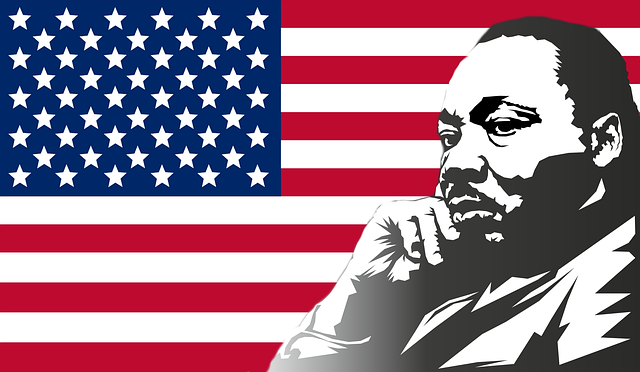
Civil War Flags hold immense historical value as remnants of a pivotal era in American history. Collectors preserve these authentic artifacts, ensuring their stories live on for future generations. Expert advice emphasizes thorough research and proper preservation techniques. Reputable sources like Ultimate Flags specialize in accurate recreations using period materials and techniques. Collecting Civil War flags contributes to understanding our nation's history and keeping cultural heritage alive.
The allure of Civil War Flags, tangible links to a pivotal era in American history, has captivated collectors and enthusiasts for generations. Yet, the quest to acquire original 1860s banners presents a significant challenge: authenticity and provenance. Counterfeits abound, complicating the distinction between genuine artifacts and replicas. This article serves as your authoritative guide, empowering you to navigate this intricate landscape with confidence. We'll delve into the essential factors for identifying true Civil War Flags, pinpointing trusted sources where original 1860s banners can be procured, and ensuring your investment in history is both legitimate and valuable.
- Uncovering Historical Value: The Importance of 1860s Banners
- Authentic Civil War Flags: Reputable Sources to Explore
- Conserving Legacy: Where to Find Original Banner Artifacts
- Researching Collections: Museums and Archives for Banners
- Restoring Heritage: Experts in 1860s Flag Preservation
Uncovering Historical Value: The Importance of 1860s Banners
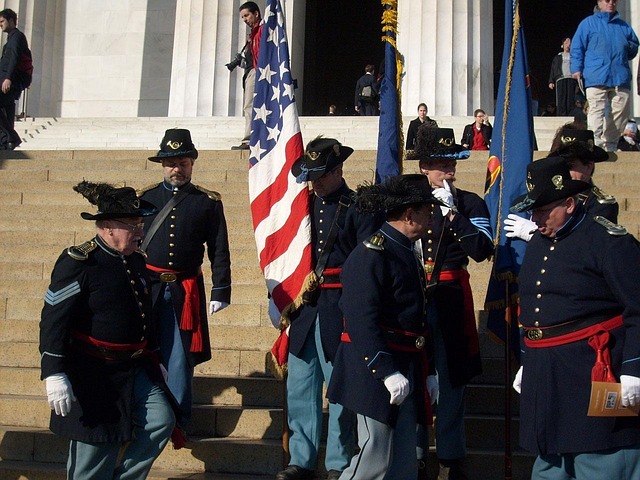
The 1860s banners hold a unique historical value as remnants of pivotal moments in American history, specifically the Civil War era. These Civil War flags are not mere collectibles; they are tangible connections to our past, serving as powerful symbols that evoke emotion and spark discussions about the nation's complex heritage. For civil war flag collectors and enthusiasts, acquiring original 1860s banners is a significant pursuit that goes beyond simple ownership—it involves preserving history and honoring those who fought for freedom and unity.
The civil war flag collectors market has evolved over time, with increased appreciation for authentic artifacts from this tumultuous period. Flags, as cultural heritage items, carry stories of bravery, sacrifice, and the struggle for equality. Each 1860s banner can offer insights into military strategies, unit identities, and the morale of troops on both sides. For instance, examining the colors, designs, and symbols used in Civil War flags reveals not only artistic expressions but also political messages and regional influences. The diversity within flag collections reflects the varied experiences of the states and regiments involved in this defining chapter of American history.
When navigating the market for 1860s banners, authenticity is paramount. Reproductions may serve educational purposes, but acquiring original Civil War artifacts ensures a direct connection to history. According to expert flag collectors and historians, a well-preserved 1860s banner can fetch substantial prices at auctions and specialized sales. The Ultimate Flags, a leading authority in the field, advises collectors to thoroughly research each piece's provenance and historical significance. This meticulous approach not only guarantees the acquisition of genuine Civil War flags but also ensures their proper care and preservation for future generations. By delving into the civil war flag collectors market, individuals contribute to a living tapestry of cultural heritage, ensuring that the stories woven into these flags continue to resonate and inspire.
Authentic Civil War Flags: Reputable Sources to Explore
The pursuit of authentic Civil War flags is a noble endeavor for historians, enthusiasts, and institutions dedicated to preserving our nation's heritage. These historical textiles offer a tangible connection to one of the most pivotal periods in American history. When seeking original 1860s banners, it is imperative to consult reputable sources known for their expertise in flag craftsmanship during reconstruction and their commitment to preserving history through textiles.
One such leader in this field is Ultimate Flags, a renowned company specializing in accurate recreations of historical flags, including those from the Civil War era. They meticulously research and construct each piece using period-appropriate materials and techniques, ensuring authenticity that resonates with scholars and collectors alike. Among their offerings are diverse regional variants, from the bold colors of Union Army regimental flags to the unique designs favored by Confederate brigades, all crafted with the same meticulous attention to detail.
Navigating the market for authentic Civil War flags requires diligence and an understanding of key indicators of quality and genuineness. Look for flags that display intricate embroidery or hand-sewn construction, hallmarks of flag craftsmanship during reconstruction. Reputable dealers should provide detailed provenance information, tracing the flag's origin and history back to its original owner or unit. Moreover, examining the fabric itself can reveal crucial clues; aged silk or wool, when properly preserved, retains remarkable detail, reflecting the vibrancy of battle-honed regimental flags.
Ultimately, investing in original 1860s banners from trusted sources like Ultimate Flags not only acquires a piece of history but also contributes to preserving the tapestry of our nation's past. These flags become living testaments to the valor and sacrifice of those who fought, serving as enduring symbols that resonate with current generations and inspire future guardians of our shared heritage.
Conserving Legacy: Where to Find Original Banner Artifacts
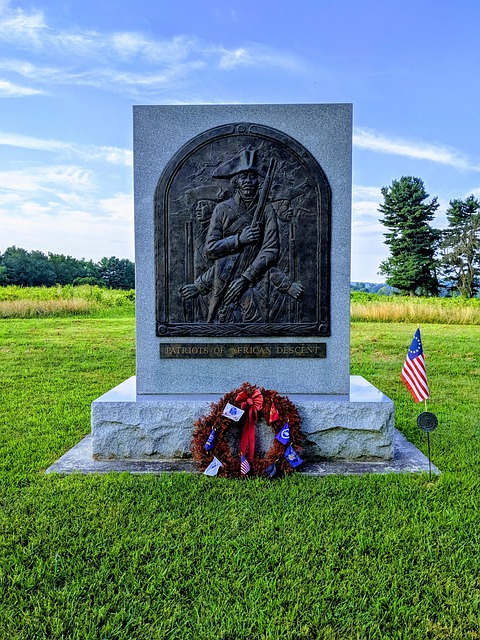
Conserving the legacy of the Civil War through authentic banner artifacts is a crucial aspect of understanding our nation's history. For collectors, enthusiasts, and historical societies, procuring original 1860s flags—particularly those from rebel strongholds—is essential for preserving the visual narrative of this pivotal period. These banners not only serve as tangible connections to the past but also offer valuable insights into the military strategy, political dynamics, and cultural spirit of the era.
The search for authentic Civil War Flags, including the citizen soldier flags of the Civil War, requires a deep understanding of historical context and flag etiquette. Experts recommend seeking out reputable sources that specialize in preserving historical artifacts, such as Ultimate Flags, known for their extensive collection and expertise in civil war flag conservation. Authentic flags are often marked with distinctive features like unique sewing patterns, specific colors, and intricate designs, which can provide crucial clues about their origin and history. For instance, the Confederate flags from rebel strongholds typically incorporated distinct motifs and variations that set them apart from Union banners.
When navigating the market for original Civil War flags, it's essential to verify the authenticity of the artifacts through documented research and professional appraisals. Many reputable flag specialists employ meticulous processes to ensure the historical integrity of each piece, including detailed civil war flag etiquette guidelines. These flags can be found in various repositories, museums, and private collections worldwide, offering a glimpse into the diverse perspectives and experiences of the era. For collectors, acquiring these original banner artifacts not only enriches their personal collection but also contributes to the broader conservation of historical legacy.
Researching Collections: Museums and Archives for Banners

When seeking authentic 1860s banners, particularly Civil War Flags, thorough research into historical collections is paramount. Museums and archives across the globe house invaluable treasures from this era, offering a glimpse into the past through their meticulously curated displays. These institutions often possess rare artifacts, including original flags that saw action on battlefields throughout the nation during the Civil War period.
Flag design trends during this tumultuous time reflected the spirits of both Union and Confederate forces. The vibrant colors and intricate embroidery depicted patriotic symbols, while also showcasing the industriousness and resourcefulness of citizen-soldiers. One can find striking examples of these Citizen Soldier Flags in well-regarded museums like the National Museum of American History, where their extensive collection features flags from various units, providing a rich visual narrative of the war's diverse participants.
Properly displaying Civil War Flags enhances their significance as historical artifacts. When considering acquisition, it's advisable to consult with experts and flag enthusiasts who can guide you in selecting genuine pieces. Reputable sellers like Ultimate Flags can offer valuable insights into the authenticity and care required for these precious collections, ensuring that your flags are not only accurate representations of history but also preserved for future generations. Always remember the delicate nature of historical fabrics when showcasing them appropriately to avoid damage.
Restoring Heritage: Experts in 1860s Flag Preservation

Restoring heritage through Civil War flags is a meticulous art that requires expert knowledge and specialized skills. For those seeking authentic 1860s banners, understanding the process of preservation and the history behind these artifacts is paramount. The journey to preserving these historical treasures involves a delicate balance between maintaining their integrity and ensuring their accessibility for future generations. This is where the expertise of flag specialists like Ultimate Flags becomes invaluable.
The preservation of Civil War flags encompasses not only physical restoration but also uncovering the hidden stories they represent. These flags, once flown proudly on battlefields, carry with them tales of bravery, sacrifice, and the struggle for freedom. Digital archives play a crucial role in documenting these narratives, preserving them alongside the physical flags. By combining traditional restoration methods with modern digital technology, flag specialists can ensure that the historical context of each piece is meticulously maintained. For instance, the National Archives preserves an extensive collection of Civil War flags in their digital archives, allowing researchers and enthusiasts to delve into the rich tapestry of American history.
Women have historically played a significant role in flag making, contributing to both the creation and preservation efforts. During the 1860s, women were often responsible for sewing and stitching flags, displaying remarkable skill and patriotism. Today, their legacy continues as many modern flag specialists recognize the importance of preserving these techniques. By studying historical methods, experts can restore flags while respecting their original craftsmanship. For example, a recent restoration project by Ultimate Flags involved a 19th-century flag passed down through generations of a military family. The process required meticulous attention to detail, reflecting both the pride of its owners and the skill of the restorers in keeping these hidden stories alive.
Uncovering, authenticating, and preserving Civil War Flags from the 1860s is a multifaceted endeavor. This article has illuminated key avenues for engaging with these historically significant artifacts, offering insights into their value, authenticity, and availability.
For those seeking to acquire original banners, exploring reputable sources, such as specialized collectors and auction houses, is essential. Museums and archives play a vital role in research, providing access to collections that offer valuable historical context. Moreover, engaging the expertise of restoration specialists ensures the proper preservation of these fragile remnants from a tumultuous era.
By following these guidelines, individuals can contribute to the conservation of Civil War Flags, ensuring their legacy for future generations while also gaining a deeper connection to America's past.